You may face a sudden orthodontic problem at any time, and knowing where to turn in Vestal, NY, matters. If a bracket breaks, a wire pokes, or a painful issue arises outside normal hours, an emergency orthodontist in Vestal can provide prompt care to relieve pain and protect your treatment plan. They explain how to […]
You may face a sudden orthodontic problem at any time, and knowing where to turn in Vestal, NY, matters. If a bracket breaks, a wire pokes, or a painful issue arises outside normal hours, an emergency orthodontist in Vestal can provide prompt care to relieve pain and protect your treatment plan.
They explain how to recognize true emergencies versus minor annoyances, walk you through immediate steps to take at home, and describe what happens during an urgent visit so you won’t feel unsure or unprepared. Expect clear information about how local practices handle after-hours calls, same-day appointments, and preventive tips to reduce future emergencies.
The article also covers nearby support and resources, what to expect as you move forward with treatment, and answers to common questions that help you make informed choices quickly.
This section explains which orthodontic problems need prompt attention, how to spot true emergencies, and the harms that can occur if treatment is delayed.
Broken braces, loose bands, and poking wires are frequent urgent problems. A broken bracket or detached band can cut the cheek or tongue and may make chewing painful. Poking or protruding wires often irritate soft tissue; covering the end with orthodontic wax or a damp cotton ball can reduce discomfort until care is available.
Lost or displaced aligners also require quick action. If an aligner cracks or won’t seat, the tooth movement can stall; wearing the previous tray or calling the orthodontist for a replacement prevents setback. Severe pain after an adjustment, bleeding around brackets, or a knocked-out tooth during active orthodontic treatment are other situations needing same-day evaluation.
Uncontrolled bleeding from soft tissues, intense pain not relieved by over-the-counter analgesics, or a metal appliance lodged in the throat or airway require immediate emergency-room or urgent orthodontic attention. Difficulty breathing or swallowing after trauma is a medical emergency; call emergency services first.
Signs of infection include swelling that spreads to the jaw or neck, fever, and increasing pain or drainage near an orthodontic appliance. Any sudden change in bite following trauma, or a tooth that feels loose after an impact, should prompt urgent imaging and stabilization to protect tooth vitality and alignment.
Delaying care can lead to worsened tooth movement, prolonged treatment time, and increased complexity of corrective procedures. A minor bracket break left untreated may cause adjacent teeth to drift, requiring re-bonding and possibly additional appliance adjustments.
Untreated infections can spread to deeper facial spaces and increase the risk of systemic illness. Ignoring a dislodged appliance or persistent soft-tissue injury raises the chance of ulcers, scarring, and prolonged discomfort. Patients who seek timely care generally experience fewer complications and shorter overall treatment.
Keep calm, act quickly, and prioritize pain control, appliance stability, and infection prevention. Simple, immediate steps can reduce damage and make specialist care more effective.
If a wire is poking soft tissue, have the patient cover the end with orthodontic wax or a small piece of sugar-free gum to stop irritation. For loose brackets, remove anything that can be safely taken off (elastic ties) and save the part in a clean container for the orthodontist.
For severe pain or swelling, apply a cold pack to the cheek for 10–15 minutes on, 10 minutes off. Over-the-counter ibuprofen or acetaminophen can reduce pain; follow label dosing and check for allergies or contraindications.
If a tooth has been knocked out, keep it moist. Place the tooth back in the socket if the patient can do so without swallowing, or store it in milk or saline and get to the orthodontist or ER within an hour for the best chance of saving the tooth.
When a loose bracket or band causes discomfort, a small dab of dental cement (available at pharmacies) can temporarily reattach it until the patient reaches the office. If dental cement is not available, a tooth-safe wax or clean piece of gauze can reduce rubbing.
Broken wires can be tucked behind the last molar with a pencil eraser or trimmed with sanitized nail clippers if the end protrudes and causes injury. Only trim a wire if the patient can see it clearly and feels comfortable doing so; avoid pulling on wires that could worsen alignment.
For soft-tissue cuts, rinse gently with warm salt water (½ teaspoon salt in 8 ounces of water) and apply pressure with sterile gauze to control bleeding. If bleeding persists beyond 15–20 minutes or the patient shows signs of infection (fever, increasing redness, spreading swelling), seek immediate professional care.
Contact the orthodontist right away for severe pain, significant bleeding, signs of infection, or if a tooth is displaced or avulsed. Provide the office with specific details: type of appliance, tooth number affected, time of injury, and any steps already taken.
Schedule an urgent visit for loose bands or brackets that interfere with speech, chewing, or oral hygiene, or for broken wires that cannot be tucked or trimmed safely. For weekend or after-hours incidents, call the office emergency line; many practices in Vestal, NY, have on-call staff or nearby emergency dental clinics.
If the patient experiences difficulty breathing, uncontrolled bleeding, loss of consciousness, or a jaw fracture (severe deformity, inability to close the mouth), call 911 or go to the nearest emergency department immediately. The orthodontist can coordinate follow-up once the patient is stabilized.
Patients can expect a focused evaluation, practical treatment choices, and attention to comfort and pain control. Appointments prioritize stabilizing the problem quickly, explaining options clearly, and arranging follow-up care.
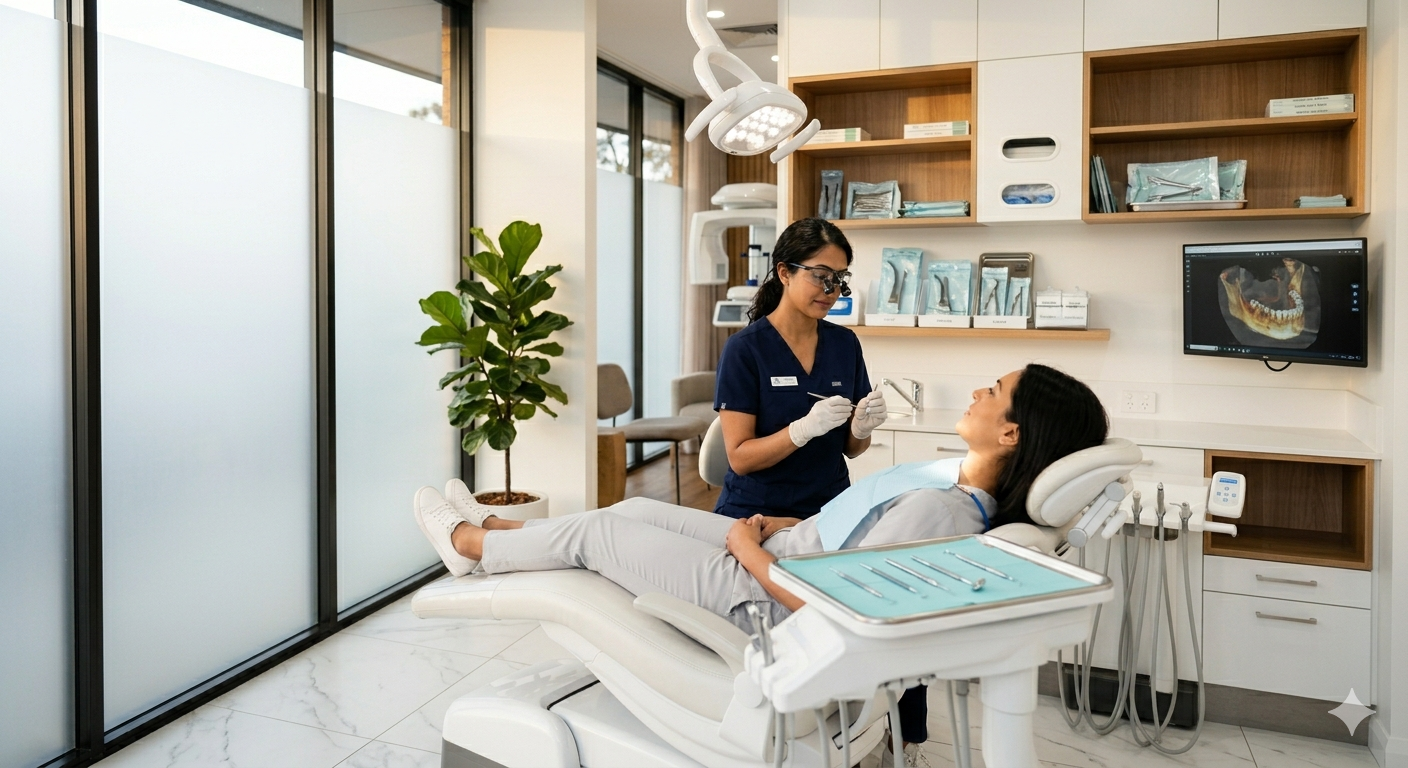
The first step is a brief history and targeted exam to identify the immediate problem. The clinician will ask when the issue started, what caused it (trauma, broken appliance, loose wire), and what relieves or worsens the pain. They will inspect braces, wires, brackets, aligners, and adjacent teeth to find loose parts, soft-tissue injury, or infection.
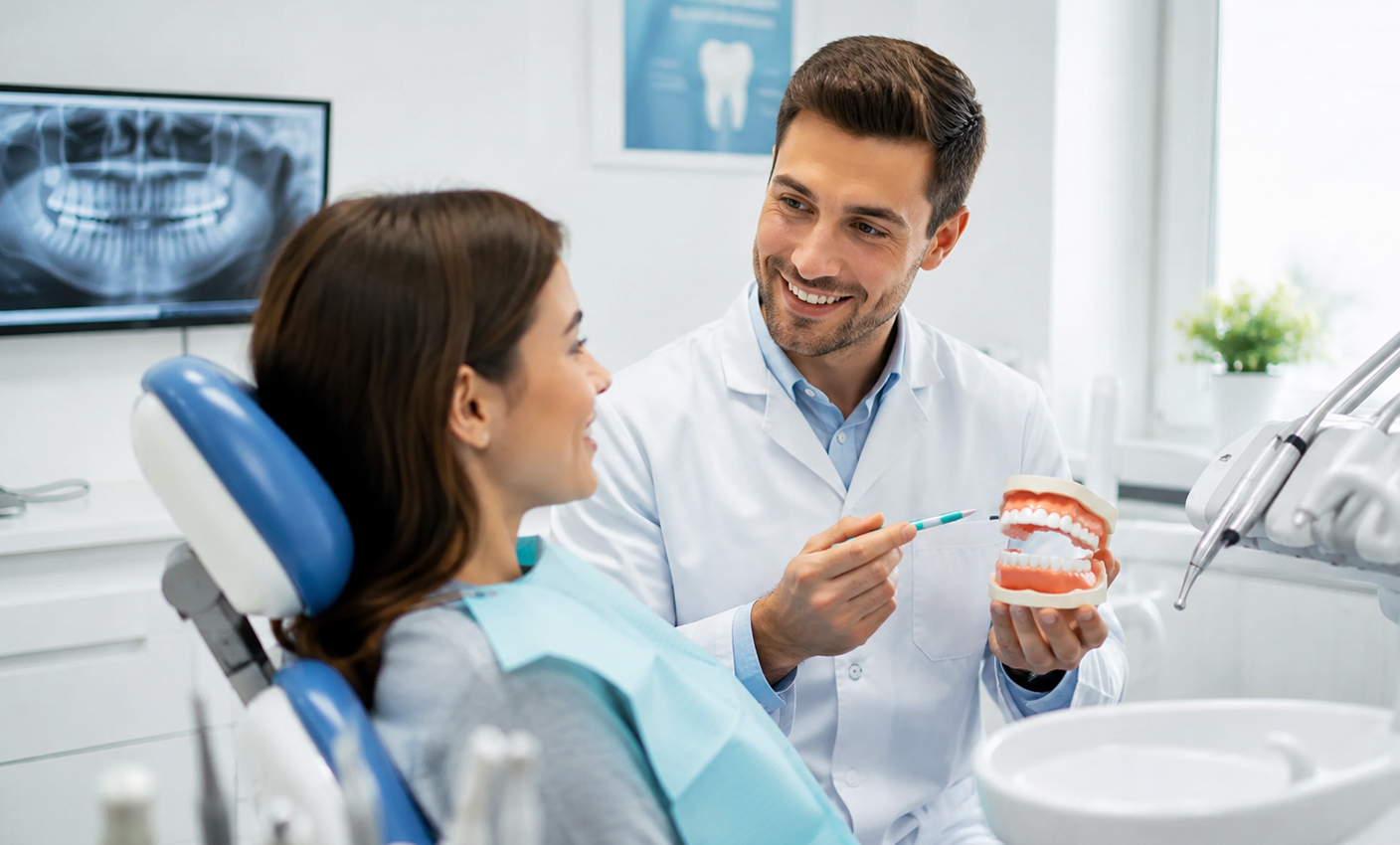
A limited set of X-rays or a digital scan may be taken if necessary to check tooth position or rule out root or bone injury. The clinician documents findings, takes photos for records, and explains the diagnosis in plain language. The team prioritizes actions that reduce pain and prevent further damage the same day.
Treatment depends on the specific cause: protruding wires often get clipped and smoothed, loose brackets may be re-bonded or temporarily secured, and displaced teeth after trauma may be repositioned and stabilized. For broken clear aligners, an immediate replacement or use of the previous tray can maintain tooth control until a lab fix is arranged.
If infection or severe pain appears, short-term antibiotics or a drainage procedure might be indicated. The clinician presents alternatives, expected outcomes, and any costs or appliance repairs, allowing patients to make informed choices. They also schedule definitive repairs and routine follow-up to monitor healing and ensure orthodontic progress resumes.
Clinicians prioritize comfort using local anesthetic for procedures that would cause pain, such as removing impacted wires or re-bonding brackets. Over-the-counter analgesics (acetaminophen or ibuprofen) are recommended with clear dosing instructions; stronger prescriptions are reserved for severe pain and after evaluating medical history.
Soothing measures include placing orthodontic wax, padding sharp wires with cotton or wax, and rinsing with warm saline to reduce irritation. Staff explain home care steps—how to clean around appliances, what foods to avoid, and signs that require immediate return—so patients feel secure and know when to seek further help.
Orthodontic offices in Vestal focus on quick access, targeted tools, and teamwork to resolve broken appliances, severe pain, or trauma. They prioritize patient comfort while stabilizing the issue and arranging follow-up care.
Many Vestal orthodontic practices set aside daily slots for urgent visits and keep at least one clinician on call after hours. Patients can often call the office and get a same-day appointment for problems like loose brackets, poking wires, or sudden orthodontic pain.
Front-desk staff triage calls using a brief symptom checklist to determine urgency. This streamlines care so clinicians can prepare required materials—bonding kits, wire cutters, and temporary cement—before the patient arrives.
Clinics commonly offer walk-in windows early or late in the day to accommodate school or work schedules. Clear phone instructions also guide patients on temporary home measures, such as using orthodontic wax or sterilized clippers, before arrival.
Practices in Vestal use digital X-rays and chairside scanners to diagnose issues quickly without multiple appointments. A panoramic or periapical radiograph can reveal root or tooth injuries within minutes, helping the orthodontist decide whether orthodontic hardware or general dental care is needed.
Many offices maintain an inventory of replacement brackets and archwires, plus portable bonding systems for immediate repairs. Some clinics use intraoral cameras to show patients the problem and explain the repair plan, which reduces anxiety and speeds consent.
For pain control, clinicians use topical anesthetics and short-acting local anesthetic injections when immediate manipulation is necessary. Electronic records let staff review treatment history instantly, ensuring repair decisions align with the patient’s ongoing orthodontic plan.
Vestal orthodontists coordinate closely with general dentists, oral surgeons, and local emergency rooms when injuries exceed orthodontic scope. They phone or email referring dentists directly and send digital images and radiographs to ensure smooth handoffs.
Referral protocols clarify who manages fractured teeth, lacerations, and jaw injuries versus appliance repairs. This teamwork shortens treatment delays and avoids duplicated diagnostics.
Orthodontists also follow up after external interventions to reintegrate repairs with the orthodontic plan. That continuity protects treatment progress while addressing acute dental health needs.
Good daily habits, mindful eating, and timely checkups greatly reduce the chance of braces or aligner problems that require urgent care. The following practical steps help patients protect appliances, reduce pain, and avoid unexpected visits.
Brush for two minutes after every meal using a soft-bristled brush and fluoride toothpaste to remove food debris around brackets and wires. For fixed appliances, angle the brush at 45 degrees toward the gumline and use interdental brushes to clean under wires and around brackets.
Floss at least once daily with a floss threader or water flosser to clear between teeth and under archwires. Rinse with an alcohol-free antibacterial mouthwash at night to reduce plaque and irritation.
Inspect appliances daily. If a loose bracket, poking wire, or missing elastic appears, place orthodontic wax over the area and call the orthodontic office. Keep a small emergency kit: wax, orthodontic scissors, a cotton roll, and a spare aligner tray (if applicable).
Avoid hard foods such as nuts, ice, hard candy, and popcorn kernels that can break brackets or bend wires. Cut crunchy fruits and vegetables, like apples and carrots, into small pieces before eating.
Steer clear of sticky foods—chewy candy, caramel, and certain dried fruits will pull off brackets and trap debris. Limit very chewy or tough meats that require heavy biting.
Refrain from chewing nonfood items like pens, fingernails, or ice, and avoid opening packages with teeth. If a patient plays contact sports, wear a properly fitted mouthguard to protect appliances and teeth from trauma.
Adhere to the orthodontist’s appointment calendar; routine visits every 4–8 weeks let the clinician adjust wires and catch small problems early. If travel or work conflicts arise, reschedule rather than skip, since delays can prolong treatment and increase emergency risk.
Request an appointment sooner when noticing persistent pain, a loose bracket, a poking wire, or a lost aligner. Many practices reserve same-week emergency slots and can advise temporary home measures until the visit.
Keep orthodontic records and warranty information accessible, and confirm whether the practice offers after-hours contact for urgent appliance issues. This reduces stress and speeds resolution when problems begin.
Practical help and local contacts reduce stress during an orthodontic emergency. This section lists concrete after-hours options and trusted Vestal-area contacts for quick assistance, referrals, and follow-up care.
Patients should call their orthodontist’s emergency line first; many Vestal clinics, including Smith Orthodontics and Vestal Family Dental, provide a 24/7 voicemail triage or on-call practitioner. If the clinic’s number directs to voicemail, leave: name, brief problem (e.g., broken wire, lost bracket), and a callback number — this speeds triage.
If pain is severe or bleeding won’t stop, go to UHS Wilson Hospital Emergency Department (conveniently located on Vestal Parkway). For non-life-threatening urgent care after hours, the Lourdes Urgent Care in Vestal accepts walk-ins and can handle loose appliances or soft-tissue lacerations until the orthodontist can see the patient.
For immediate temporary fixes at home: use orthodontic wax to cover poking wires, clean the area with warm salt water, and avoid hard/chewy foods. Keep a small emergency kit: wax, sterile tweezers, over-the-counter pain reliever, and the orthodontist’s contact card.
Orthodontic practices: Smith Orthodontics (Vestal Pkwy E) and Vestal Orthodontics Clinic both accept emergency callbacks and keep limited same-day slots for displaced appliances. Their front-desk staff can advise whether an in-office visit is necessary.
Dental emergency resources: UHS Wilson Hospital ER handles severe trauma and uncontrolled bleeding. Lourdes Urgent Care (Vestal) offers same-day attention for appliance-related soft-tissue injuries. For pediatric cases, contact Lourdes Pediatric Dentistry for child-focused emergency care.
Community support: local pharmacies (CVS on Vestal Pkwy and Rite Aid on Main St) stock orthodontic wax and temporary filling material. For transportation, Broome County Transit routes and Uber/Lyft operate in Vestal for non-ambulance trips to appointments. Patients should save these contacts in their phone and note payment or insurance requirements before arriving.
They should follow the emergency provider’s instructions immediately after treatment to reduce pain and prevent further damage. Simple steps—rinsing with warm salt water, avoiding hard foods, and using over-the-counter pain relief as directed—help healing in the first 24–72 hours.
The practice will outline next steps for continuing orthodontic care, including timing for follow-up visits and any appliance repairs. If braces or wires were involved, they often schedule an appointment within a week to adjust and secure components.
Patients benefit from a clear plan that balances urgent fixes with long-term treatment goals. This plan may include temporary solutions now and a pathway back to routine adjustments or to begin a new treatment phase.
They should track symptoms and any changes, noting persistent pain, swelling, or shifting teeth. Contact the office promptly if problems continue, since early intervention prevents complications and keeps treatment on schedule.
A short checklist helps when leaving the emergency visit:
The office staff will explain insurance options, payment plans, and estimated timelines in plain language. They encourage asking questions and scheduling a consultation to review long-term orthodontic choices and maintain oral comfort and alignment.
This section answers common urgent concerns about broken wires, loose brackets, after-hours options, insurance, and quick pain relief. Each question gives clear steps patients can follow immediately and what to expect at a Vestal, NY orthodontic visit.
Rinse the mouth gently with warm salt water to reduce irritation and clean the area.
If the wire end is visible, use clean tweezers or a cotton swab to push it back toward the tooth; cover the tip with orthodontic wax or softened sugarless gum to prevent further poking.
Call the orthodontic office as soon as possible; they will advise whether an emergency appointment is needed or if a temporary fix at home is acceptable until the next scheduled visit.
Same-day care is recommended for severe pain, active bleeding, loose teeth, or a wire piercing soft tissue.
Minor issues—loose elastics, small sore spots, or a bracket that still sits firmly on the tooth—can often wait until the next business day.
When in doubt, call the clinic; the team can triage by phone and schedule an urgent visit if necessary.
Yes. A detached bracket that causes discomfort or affects tooth movement usually warrants prompt attention.
If the bracket is still on the wire and not painful, orthodontic wax can hold it in place temporarily.
If the bracket or band is completely off or causing sharp pain, the office can typically arrange same-day or next-available treatment to reattach or replace it.
Many offices provide recorded instructions for after-hours emergencies and an on-call number for urgent guidance.
Patients should call the practice’s emergency line; staff may offer phone triage, temporary home remedies, or an appointment at the earliest possible time.
If significant bleeding, severe swelling, or signs of infection occur, seek immediate care at an emergency dental clinic or hospital emergency department.
Coverage varies; routine orthodontic plans often do not fully cover emergency repairs, but some policies pay portion of urgent care fees.
Bring your insurance card, photo ID, and any recent paperwork from the orthodontist.
Call the insurance provider before the visit if possible to verify benefits and obtain preauthorization for emergency services when required.
For immediate relief, rinse with warm salt water and use over-the-counter pain relievers per package directions.
If an aligner edge is sharp, file it gently with a clean emery board or cover the edge with dental wax until the office can trim it.
The orthodontist can adjust aligners or appliances, make a temporary bite correction, or provide a swift appliance change to restore comfort and proper function.
Contact the Vestal orthodontic team with questions or to schedule evaluation; they can offer tailored advice and same-day options when needed.