Finding the right dental care for a child can feel like a big decision. Parents want a provider who is gentle, patient, knowledgeable, and able to make dental visits feel positive instead of stressful. For many families searching for a pediatric dentist in Vestal, NY, the goal is simple: help their child build a healthy […]
Finding the right dental care for a child can feel like a big decision. Parents want a provider who is gentle, patient, knowledgeable, and able to make dental visits feel positive instead of stressful. For many families searching for a pediatric dentist in Vestal, NY, the goal is simple: help their child build a healthy smile and feel comfortable receiving care from an early age.
Pediatric dentists and orthodontists often play different but connected roles in a child’s oral health. A pediatric dentist focuses on routine dental care, prevention, cavities, cleanings, and growth monitoring. An orthodontist focuses on how the teeth and jaws fit together, including crowding, bite problems, and alignment. Together, they can help guide a child’s smile as it grows.
This article is for general educational purposes only and is not a diagnosis or treatment recommendation. Parents should consult a licensed dental professional or orthodontic specialist for advice based on their child’s specific needs.
Baby teeth may be temporary, but they have an important job. They help children chew, speak clearly, and hold space for adult teeth. When a baby tooth is lost too early because of decay or injury, nearby teeth can shift into the empty space. That may affect how adult teeth come in later.
Early dental care also helps children get used to the sights, sounds, and routines of a dental office. A child who learns that dental visits are normal and safe is often more relaxed during future appointments. This can make cleanings, exams, X-rays, and orthodontic evaluations much easier as the child grows.
Preventive care is one of the biggest benefits of seeing a pediatric dentist. Regular visits give the dental team a chance to spot small concerns before they become bigger problems. Parents can also ask questions about brushing, flossing, fluoride, thumb sucking, pacifier habits, sports mouthguards, and diet.
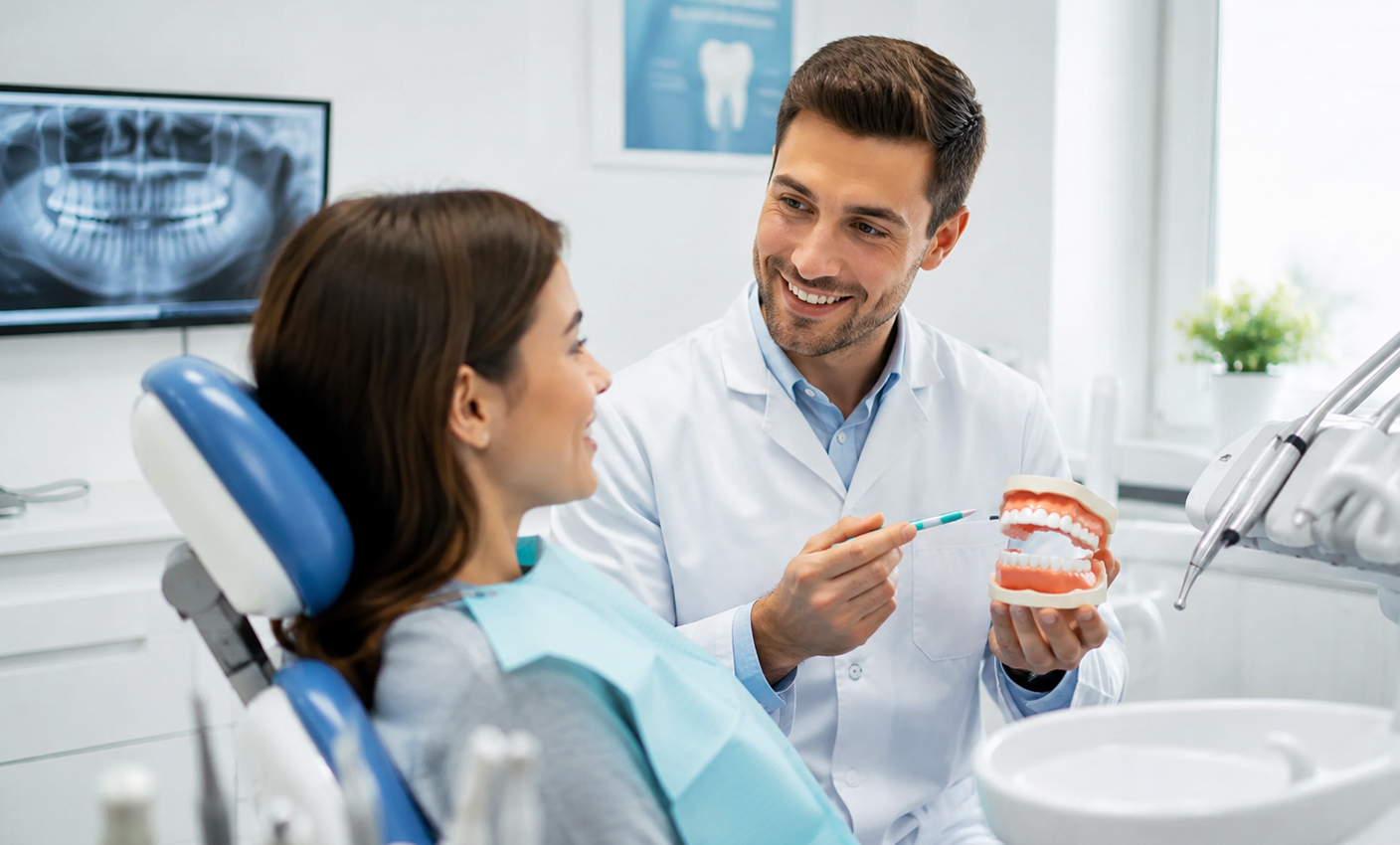
A pediatric dentist is trained to care for infants, children, teens, and patients with special healthcare needs. Their offices are often designed with children in mind, using age-appropriate communication and a calm approach to help young patients feel at ease.
Common pediatric dental services may include:
Pediatric dentists also help parents understand what is normal at each stage of development. For example, they can explain when baby teeth usually fall out, when adult molars come in, and when a child may benefit from an orthodontic evaluation.
Many dental professionals recommend that a child’s first dental visit happen by the first birthday or within six months of the first tooth appearing. This early visit is usually short and gentle. It gives the dentist a chance to check tooth and jaw development, discuss home care, and answer parent questions.
For toddlers and young children, the goal is not just to “check for cavities.” It is also to build trust. A positive first experience can help children feel more confident at the dentist over time.
If a child is older and has not yet had a dental visit, it is still a good time to schedule one. Dental teams understand that every family’s situation is different, and they can help children ease into care without shame or judgment.
A pediatric dentist in Vestal, NY may be the first professional to notice early signs of crowding, jaw growth concerns, or bite problems. If the dentist sees something that may need closer attention, they may recommend an orthodontic evaluation.
Orthodontists specialize in diagnosing and treating problems with tooth alignment and jaw relationships. While many people think orthodontic treatment starts in the teen years, some children benefit from an earlier checkup. An early evaluation does not always mean braces are needed right away. In many cases, the orthodontist simply monitors growth and recommends treatment only if and when it becomes helpful.
Parents may want to ask about an orthodontic evaluation if they notice:
These signs do not automatically mean a child needs braces. They simply suggest that a trained professional should take a closer look.
Many orthodontic organizations recommend that children have an initial orthodontic evaluation around age 7. By this age, children usually have a mix of baby and adult teeth, which allows the orthodontist to see how the bite is developing.
At age 7, an orthodontist can often identify issues such as severe crowding, crossbites, jaw growth imbalances, or teeth that are not erupting properly. Some children need early treatment, while others are placed on a growth-monitoring schedule.
Early orthodontic treatment, when appropriate, may help guide jaw growth, create room for incoming teeth, reduce the risk of trauma to protruding front teeth, or correct bite problems that could worsen over time. However, not every child needs early treatment. A personalized evaluation is the best way to know.
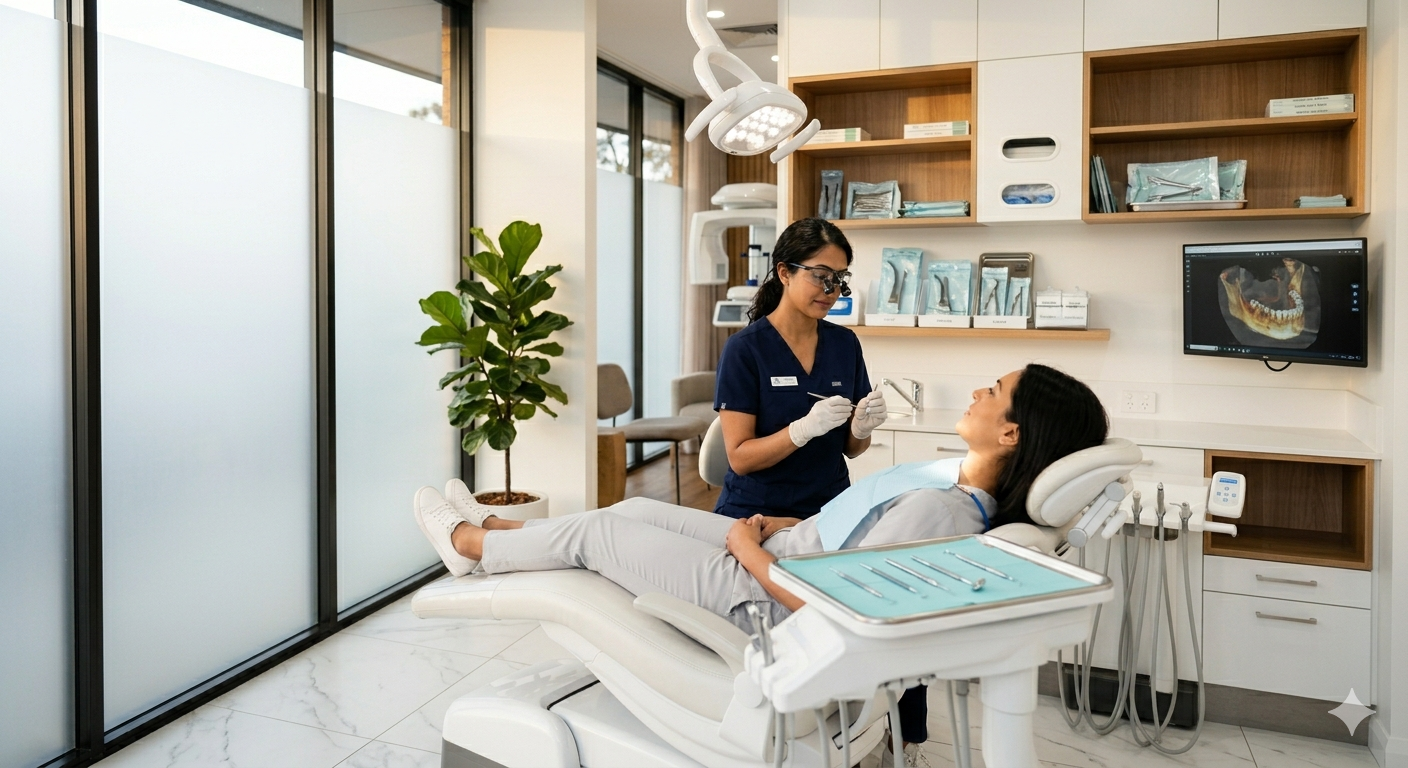
An orthodontic consultation is usually comfortable and straightforward. The team may review the child’s dental history, take photos or digital scans, examine the teeth and bite, and discuss any concerns the parent or pediatric dentist has noticed.
The orthodontist may explain whether the child’s smile is developing normally, whether monitoring is recommended, or whether treatment could be beneficial. If treatment is suggested, parents should receive clear information about timing, options, expected responsibilities, and estimated costs before making a decision.
At a family-centered orthodontic office such as Muench Orthodontics, the goal is to make the experience clear, comfortable, and supportive. Parents should feel welcome to ask questions, and children should feel included in the conversation in an age-appropriate way.
Cavities in baby teeth can affect comfort, eating, sleep, and the health of nearby teeth. Even though baby teeth eventually fall out, decay should not be ignored. A pediatric dentist can recommend the most appropriate treatment based on the child’s age, symptoms, and the size of the cavity.
Thumb sucking and pacifier use are common in babies and toddlers. However, if these habits continue for too long or are very forceful, they may affect tooth position or jaw development. Parents should ask a dentist for gentle strategies if a habit is difficult to stop.
Many children feel nervous about dental visits. A warm introduction, simple explanations, and a calm dental team can make a big difference. Parents can help by using positive language, avoiding scary words, and treating the visit as a normal part of staying healthy.
Children who play sports may benefit from a properly fitted mouthguard. Mouthguards help reduce the risk of chipped teeth, knocked-out teeth, and soft tissue injuries. A dentist can recommend the right type based on the child’s age, sport, and dental development.
Daily habits are the foundation of a healthy smile. Pediatric dental visits are important, but what happens at home matters just as much.
Parents can support their child’s oral health by:
A helpful rule of thumb is that young children often need supervision longer than parents expect. If a child cannot tie shoes well yet, they may not have the hand skills needed to brush every surface carefully.
When looking for a pediatric dentist in Vestal, NY, parents may want to consider more than location alone. The right fit should make both the child and parent feel comfortable.
Helpful questions to ask include:
Good communication matters. Parents should feel that questions are welcomed and that treatment recommendations are explained clearly. Children should be treated with patience and respect, even when they are wiggly, shy, or unsure.
Healthy teeth and gums create a stronger foundation for orthodontic treatment. If a child eventually needs braces, clear aligners, or another orthodontic appliance, good brushing and regular dental care become even more important.
Orthodontic appliances can create extra spaces where plaque and food collect. Children who already have strong hygiene habits are usually better prepared to keep their teeth clean during treatment. Pediatric dentists and orthodontists may work together to encourage brushing techniques, fluoride use, and regular cleanings throughout orthodontic care.
Early prevention also helps identify problems before they become more complicated. For example, a pediatric dentist may notice that a baby tooth is not loosening as expected, or an orthodontist may see that an adult tooth is coming in at an unusual angle. Timely monitoring helps families understand their options.
No. A pediatric dentist focuses on children’s overall dental health, including cleanings, cavities, prevention, and oral development. An orthodontist focuses on tooth alignment, jaw growth, and bite correction. Many children benefit from both types of care at different stages.
Many children should have an initial orthodontic evaluation around age 7. This does not mean treatment will start right away. It simply allows the orthodontist to monitor growth and identify any developing concerns early.
Many children see a dentist about every six months for exams and cleanings, but the right schedule can vary. A dentist may recommend more frequent visits if a child has a higher risk of cavities, gum concerns, or other oral health needs.
Dental fear is common, especially for young children or those with past negative experiences. Parents can help by choosing a child-friendly dental team, talking positively about the visit, and keeping explanations simple. Dental professionals can also use gentle techniques to build trust over time.
Yes. Baby teeth help guide adult teeth into place and hold space in the jaw. Untreated decay, early tooth loss, or crowding can sometimes affect how adult teeth erupt. That is one reason regular pediatric dental visits are important.
No. Not every child needs orthodontic treatment. Some children have naturally well-aligned teeth and a healthy bite. Others may need monitoring or treatment depending on growth, spacing, crowding, and bite development.
Choosing a pediatric dentist in Vestal, NY is an important step in helping a child develop a healthy, confident smile. Regular dental care supports strong teeth, good habits, and early detection of concerns. When orthodontic questions come up, an orthodontist can provide additional guidance about alignment, jaw growth, and bite development.
Families do not have to figure it all out alone. With supportive dental professionals, children can receive care that feels comfortable, age-appropriate, and focused on long-term health.
If parents have questions about their child’s bite, tooth alignment, or the right time for an orthodontic evaluation, Muench Orthodontics welcomes the opportunity to help. A friendly consultation can give families clear answers and a better understanding of the next steps for their child’s growing smile.