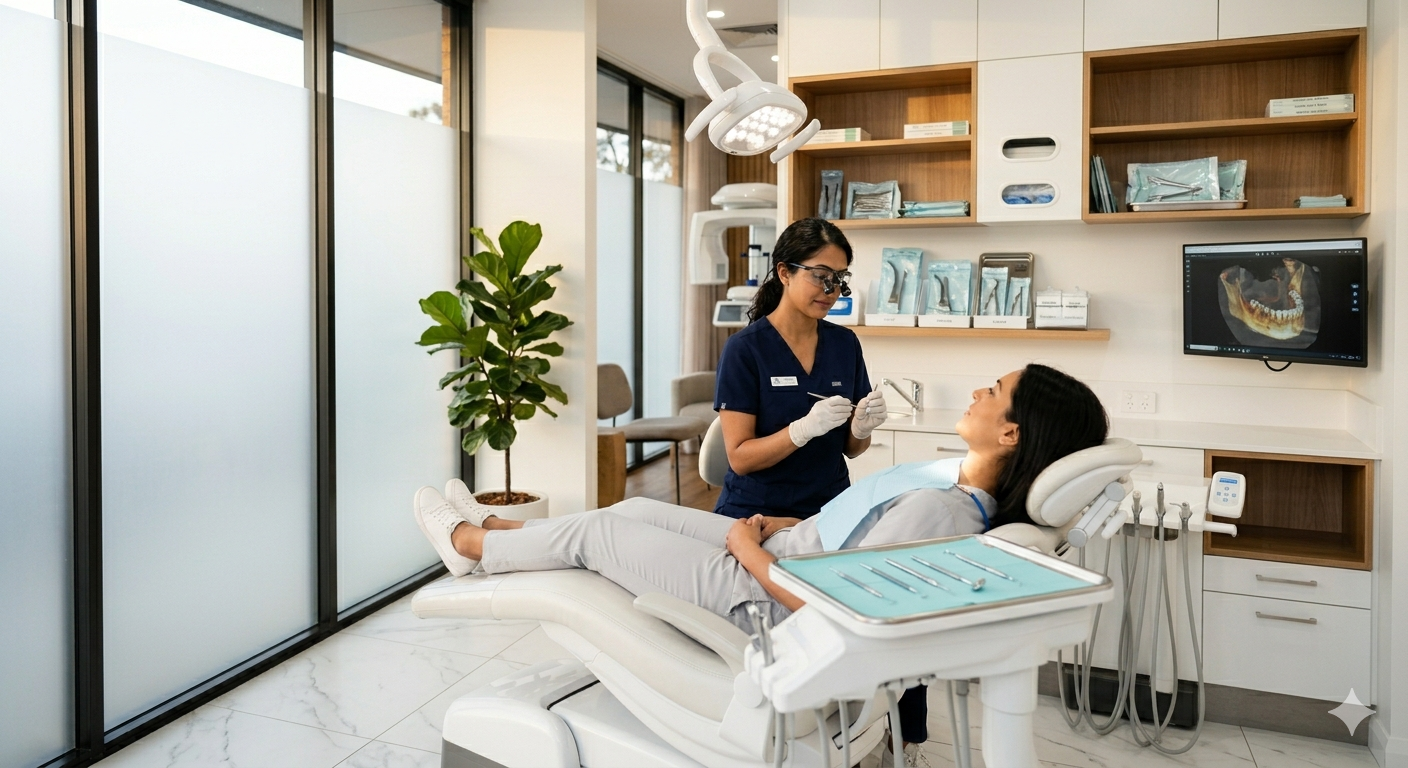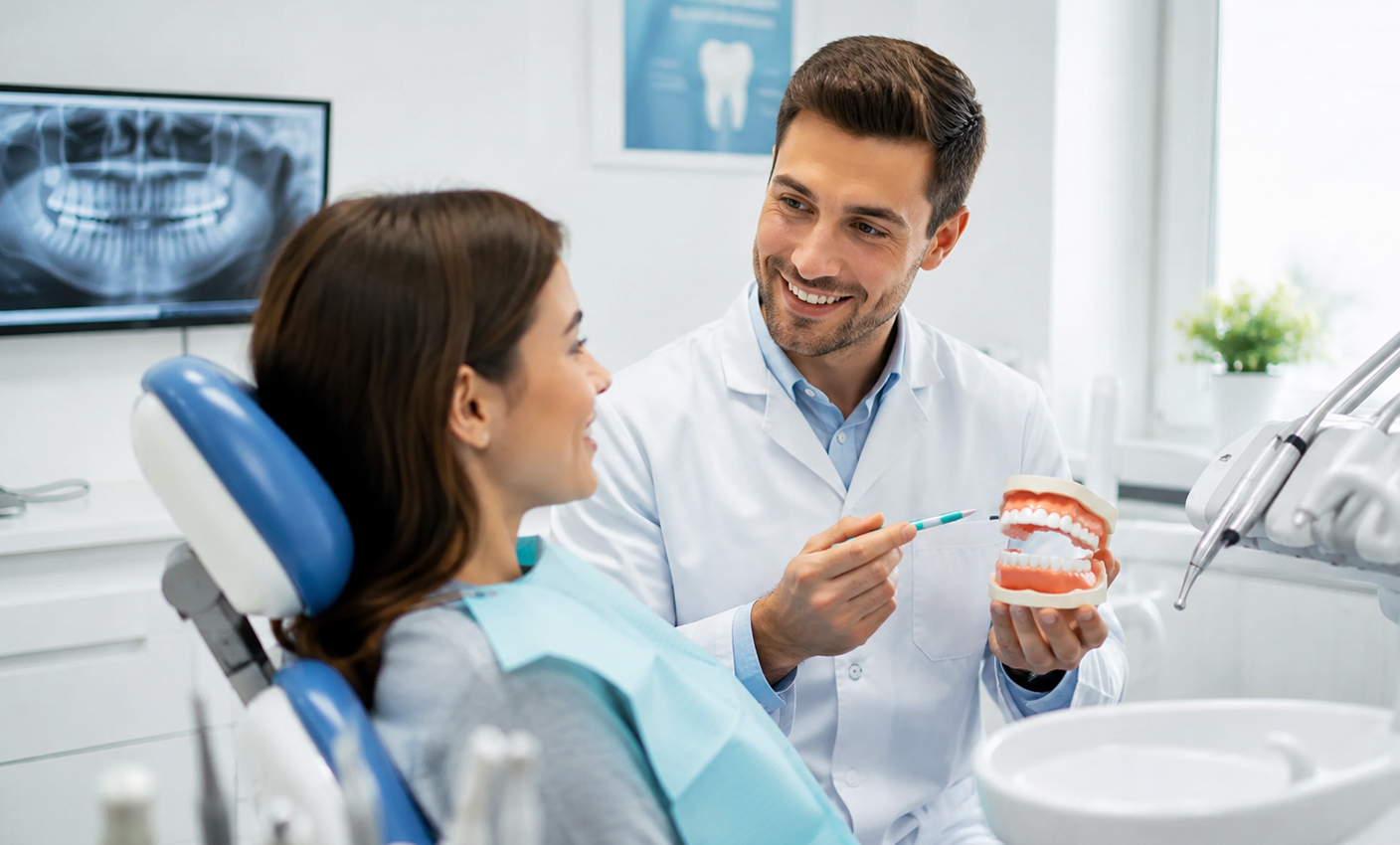
Thinking about teeth whitening in Vestal, NY? They can quickly brighten your smile with professional options tailored to your needs, from in-office treatments to customized take-home kits that balance results and comfort. A trusted Vestal dental team can safely lift years of stains and give predictable, longer-lasting whitening than over-the-counter products. They explain why stains […]
Thinking about teeth whitening in Vestal, NY? They can quickly brighten your smile with professional options tailored to your needs, from in-office treatments to customized take-home kits that balance results and comfort. A trusted Vestal dental team can safely lift years of stains and give predictable, longer-lasting whitening than over-the-counter products.
They explain why stains happen, compare professional benefits versus store remedies, and help you pick a solution that fits your lifestyle and sensitivity levels. Expect modern techniques, local expertise, simple aftercare tips, and clear answers to common concerns so you can feel confident about taking the next step toward a brighter smile.
Tooth color changes come from a mix of external staining, internal changes, and habitual factors that affect enamel and dentin. Knowing the specific cause helps choose the right whitening method and prevents surprises during treatment.
Stains often result from foods and drinks that contain strong pigments. Coffee, black tea, red wine, cola, and deeply colored sauces deposit chromogens that stick to enamel surfaces. Tobacco use—both smoking and chewing—adds tar and nicotine that create brown or yellow stains over time.
Poor oral hygiene lets plaque and calculus build up, which trap pigments and deepen discoloration. Certain mouth rinses with chlorhexidine or cetylpyridinium chloride can also darken teeth when used long term. Finally, some dental materials such as amalgam restorations cause localized gray or black discoloration around fillings.
Extrinsic discoloration affects the outer enamel and usually responds well to professional cleaning and whitening. These stains are typically yellow-brown from diet or tobacco and sit on the tooth surface. They often lighten significantly with in-office bleaching or take-home trays.
Intrinsic discoloration occurs within the tooth structure—either the dentin or internal enamel—and is harder to treat. Causes include trauma, certain medications (like tetracycline taken during tooth development), excessive fluoride exposure in childhood, or internal bleeding after injury. Treatment options include internal bleaching, veneers, or crowns depending on severity.
Age-related discoloration combines both types: enamel thins with age, revealing darker yellow dentin beneath. This natural change makes older adults more likely to need stronger or restorative whitening solutions.
Daily habits directly influence whitening results and longevity. Drinking coffee or red wine daily increases the rate of surface staining; switching to a straw, rinsing with water after drinks, or reducing intake slows new stains. Smoking cessation yields noticeable whitening benefits within months as new tar and nicotine deposits halt.
Oral care routines matter: brushing twice daily with fluoride toothpaste and flossing remove plaque that traps pigments. Regular professional cleanings every six months remove calculus and surface stains that brushing alone won’t. Diet choices—berries, soy sauce, tomato-based sauces—also contribute; moderating these foods before social events can help maintain a brighter smile.
Protective behaviors during treatment matter too. Avoiding stain-prone foods for 48–72 hours after in-office whitening reduces rebound staining while enamel pores reseal. Consulting a dental professional ensures lifestyle adjustments match the chosen whitening approach and long-term goals.
Professional whitening delivers predictable, stronger, and safer results than store-bought options while minimizing sensitivity and protecting dental work. Patients in Vestal, NY often choose office treatments for rapid improvement, customized care, and oversight from a licensed dental team.
A licensed dentist evaluates oral health before whitening to prevent complications. They inspect for cavities, gum disease, cracked teeth, and exposed dentin that can increase sensitivity or cause uneven bleaching.
If issues exist, the dentist treats them first or recommends alternative approaches such as conservative bonding or waiting until gum inflammation resolves.
During treatment, dental staff apply protective barriers to gums and use calibrated light or controlled peroxide concentrations to limit soft-tissue exposure. They monitor patient comfort and adjust exposure times, reducing the risk of chemical burns or excessive sensitivity.
Post-treatment instructions include desensitizing toothpaste recommendations and short-term dietary guidance to protect newly whitened enamel.
In-office whitening uses higher concentrations of hydrogen peroxide (commonly 25–40%) or professionally prescribed take-home gels (10–22%) that achieve greater shade change in fewer visits. This translates to multiple shades of improvement in a single appointment, versus weeks of OTC strips or toothpaste with minimal effect.
Professional gels penetrate enamel more effectively and break down chromogens (staining molecules) rather than just masking stains on the surface.
Dentists tailor the protocol for intrinsic stains (tetracycline, aging) and extrinsic stains (coffee, tobacco), and can combine techniques—such as an initial in-office boost followed by custom take-home trays—to extend results. They also document baseline shade and progress, so patients see measurable outcomes and set realistic expectations.
A typical in-office whitening session in Vestal lasts 45–90 minutes and often produces noticeable lightening after one visit. Patients can schedule treatments around lunch breaks or before special events for quick cosmetic improvement.
Clinics commonly offer complimentary consultations to review previous dental work, estimate shade goals, and provide a personalized timeline.
For people with busy schedules, dentists provide custom-fitted trays and professional-strength gels for short at-home use to maintain results. These trays ensure even application across surfaces and reduce gel wastage compared with generic OTC products.
Tooth sensitivity is managed proactively with buffered gels, shorter application cycles, or pre-treatment desensitizers, allowing many patients to complete treatment with minimal discomfort.
Patients should weigh speed, cost, sensitivity, and long-term results when choosing a whitening option. Practical differences between take-home kits and in-clinic procedures, product safety, and adjustments for sensitive teeth determine which approach works best.
Take-home kits from a dental office use custom-fitted trays and 10–22% carbamide peroxide gels, applied nightly for 1–2 weeks. They produce gradual, controlled whitening and allow patients to stop or pause treatment if sensitivity occurs.
In-clinic procedures use stronger agents, typically 25–40% hydrogen peroxide, and often include protective barriers and light or heat activation. These sessions deliver noticeable results in one or two visits but cost more and can cause short-term sensitivity.
Consider time and budget: take-home kits suit those who prefer lower-cost, gradual improvement; in-clinic treatments suit those who need rapid results for events or want closer clinical supervision. For heavily stained teeth from tetracycline or crowns, neither may fully whiten restorations; restoration replacement may be necessary.
Choose products recommended or dispensed by a licensed dentist to ensure appropriate concentration and tray fit. Over-the-counter strips and gels vary widely; products above 10% hydrogen peroxide without dental supervision increase risk of gum irritation and uneven results.
Look for ADA Seal of Acceptance or manufacturer studies demonstrating safety and efficacy. Read ingredient lists for glycerin or carbamide peroxide and avoid unregulated bleaching agents like chlorine dioxide or activated charcoal pastes that can be abrasive.
Follow instructions precisely: avoid overuse, keep gel off gums, and remove trays after the recommended time. Report prolonged pain, blisters, or persistent white spots to the dental office promptly.
Start with a dental exam to identify causes of sensitivity, such as enamel erosion, recession, or decay. If sensitivity is present, dentists often lower peroxide concentration, shorten daily wear time, or recommend desensitizing toothpaste containing 5% potassium nitrate before and during whitening.
For acute sensitivity, dentists may apply in-office fluoride varnish or prescribe neutral sodium fluoride gels to strengthen enamel. They can also stage whitening: treat one arch at a time or use intermittent treatment days to monitor comfort.
Custom trays reduce gel contact with gums and improve even coverage, lowering sensitivity risk. If sensitivity persists despite adjustments, pausing treatment and addressing underlying dental issues may be necessary before repeating whitening.
Local practices combine professional in-office treatments and take-home kits to deliver safe, predictable whitening. Patients can expect personalized treatment plans, clear cost estimates, and staff who prioritize comfort and sensitivity management.
The visit begins with a short consultation and exam to confirm teeth are healthy enough for whitening. The hygienist or dentist assesses existing restorations, checks for decay or gum disease, and records tooth shade with a shade guide or digital imaging.
For in-office whitening, the clinician isolates lips and gums, applies a protective barrier, and then places a peroxide-based gel on the teeth. Treatment typically runs 30–90 minutes and may include a light or laser depending on the office protocol. Staff monitor sensitivity and can pause the session or use desensitizing agents if needed.
If a take-home option follows, the office will take impressions or provide pre-made trays and instructions. Cost, expected shade change, and follow-up scheduling are clarified before the patient leaves. Payment options and insurance coverage for cosmetic whitening are explained up front.
Patients should complete any recommended restorative work—fillings, crowns, or gum treatments—before whitening to ensure even results. A professional cleaning within two weeks of whitening improves gel contact and enhances outcomes.
Avoid highly pigmented foods and tobacco for 24–48 hours before the appointment to reduce surface staining. Bring a list of current medications and note any history of tooth sensitivity or enamel defects so the clinician can choose the gentlest protocol.
Arrive with questions about expected shade, maintenance, and how restorations will match the new color. Patients should expect staff to review aftercare and schedule a brief follow-up to assess sensitivity and shade stability.
Avoid coffee, red wine, dark sauces, and smoking for at least 48 hours to minimize re-staining while enamel pores remain more receptive. Use a straw for beverages when possible and rinse with water after eating or drinking pigmented foods.
Maintain results with twice-daily brushing using a non-abrasive toothpaste and daily flossing. Consider touch-up treatments with professional take-home trays every 6–12 months or using whitening toothpaste as recommended by the dentist.
Manage sensitivity with fluoride varnish, desensitizing toothpaste (potassium nitrate), or short, staggered touch-up sessions. Schedule regular dental cleanings and consult the practice if uneven color or restoration mismatches appear; adjustments to crowns or veneers may be necessary to match the whitened teeth.
Maintain gentle daily care, avoid staining foods and drinks for the first 48–72 hours, and plan touch-ups based on lifestyle and sensitivity. Consistent habits will help the results last and keep enamel healthy.
Brush twice daily with a soft-bristled toothbrush and a fluoride toothpaste formulated for sensitivity for the first week after whitening. Use short, gentle strokes to avoid irritating gums and enamel that may be temporarily more porous.
Floss once daily to remove plaque between teeth where stains can redeposit. If the patient experiences sensitivity, switching to a desensitizing toothpaste containing potassium nitrate or stannous fluoride can reduce discomfort within days.
Rinsing with an alcohol-free, fluoride mouthwash helps strengthen enamel without drying tissues. Avoid abrasive whitening toothpastes or aggressive polishing for two weeks; these can exacerbate sensitivity and wear down enamel.
For 48–72 hours after whitening, avoid dark-colored beverages and foods that commonly stain: coffee, black tea, red wine, cola, soy sauce, and beetroot. If a drink is unavoidable, use a straw to minimize contact with front teeth.
Choose low-acid, non-pigmented options like water, milk, and clear broths in the immediate recovery period. Soft, bland foods such as yogurt, bananas, and plain rice reduce the chance of irritation and staining while sensitivity subsides.
After the initial period, reintroduce staining foods gradually while rinsing with water after meals. Chewing sugar-free gum with xylitol can stimulate saliva and help neutralize acids that cause discoloration.
Touch-up timing depends on habits: a non-smoker who limits coffee may only need professional touch-ups every 18–24 months. Someone who drinks coffee daily or smokes might need touch-ups every 6–12 months to maintain shade.
For patients who used take-home trays, occasional at-home refreshes using custom trays and the dentist-recommended peroxide concentration can extend results. Follow the dentist’s instructions on frequency—overuse increases sensitivity and risk of uneven whitening.
If new staining appears suddenly or sensitivity becomes persistent, schedule an evaluation. The dentist can recommend an appropriate touch-up plan or address underlying issues like decay or enamel erosion before further whitening.
Vestal practices combine up-to-date whitening technology with individualized care plans focused on comfort and predictable results. Patients can expect options ranging from fast in-office treatments to tailored take-home systems, plus professional guidance on sensitivity, maintenance, and realistic shade goals.
Clinics in Vestal use both in-office LED-accelerated whitening and dentist-dispensed take-home trays with professional-grade carbamide or hydrogen peroxide gels. In-office sessions typically deliver noticeable shade changes in one visit by applying a higher-concentration gel and controlling exposure with a light or laser, while monitoring the gums and enamel throughout the procedure.
Take-home systems provide lower-concentration gels for overnight or daytime wears, custom-fit trays made from digital impressions or intraoral scans, and step-by-step instructions to limit sensitivity. Many practices offer desensitizing pre-treatments and post-whitening fluoride varnish or remineralizing gels to protect enamel. Pricing, expected shade improvement, and estimated treatment time are discussed up front so patients choose the best fit for their schedule and tolerance.
Vestal dentists assess medical history, current restorations, and causes of staining before recommending whitening. They check for cavities, gum disease, and existing crowns or veneers because whitening affects only natural tooth structure and may leave restorations mismatched if not planned properly.
Clinicians customize protocols: reducing concentration for those with dentin hypersensitivity, scheduling shorter progressive sessions for patients with thin enamel, or combining whitening with microabrasion for superficial stains. They document baseline shade with photographs and shade guides, set measurable goals, and provide written home-care instructions. Follow-up visits confirm shade stability and address any sensitivity, encouraging patients to call with questions or to schedule a consultation.
Many common beliefs about teeth whitening mix fact and fiction; readers will learn which practices actually work, which pose risks, and what to expect from professional care in Vestal, NY.
People often assume over-the-counter strips deliver the same results as professional treatments. In reality, strips with low peroxide concentrations lighten teeth slightly but rarely match in-office systems that use stronger, controlled bleaching agents and professional supervision.
Another frequent myth is that whitening erases deep intrinsic stains from medications or trauma. These stains often respond poorly to bleaching and may require veneers or bonding for noticeable improvement. A dentist can assess whether whitening alone will help.
Some believe natural remedies like baking soda or activated charcoal are equally effective. Occasional gentle use of baking soda can remove surface stains, but abrasive products can wear enamel and increase sensitivity if used repeatedly.
Safety hinges on correct diagnosis and application. Professional whitening in Vestal clinics uses regulated peroxide levels and protective barriers, reducing gum irritation and uneven results compared with DIY methods.
Effectiveness depends on stain type, enamel condition, and patient habits. Coffee, tea, and tobacco produce extrinsic stains that frequently respond well to bleaching, while genetic discoloration or tetracycline staining may need restorative solutions.
Sensitivity is common but usually temporary. Dentists often recommend desensitizing toothpaste, shorter application times, or trays with lower peroxide to manage discomfort. Follow-up care and avoiding stain-causing foods for a short period improve and prolong results.
Patients in Vestal, NY can begin by scheduling a consultation with a local dental practice to discuss goals and medical history. A short exam and a conversation about lifestyle and sensitivities help the dentist recommend the safest, most effective whitening option.
In-office whitening offers faster, supervised results and uses professional-strength agents applied by a clinician. It commonly takes one to two visits, and the provider monitors comfort and enamel health throughout the process.
At-home trays supplied by the dentist provide gradual whitening with custom-fit trays and prescription gel. These balance convenience and control, and the dentist will explain wear time, expected pace of change, and how to manage tooth sensitivity.
Over-the-counter products remain an option for mild staining, but they vary in strength and fit. The dental team can compare OTC choices with professional alternatives so patients understand trade-offs in results and risk.
Patients should ask about cost, expected results, follow-up, and sensitivity management before committing. Many practices also offer payment plans or specials, making treatment more accessible.
To move forward, patients can call the dental office or use online booking to arrange a consultation. The team will answer questions, review options, and create a personalized plan that prioritizes comfort and lasting results.
This section answers specific concerns about how long results last, safety for sensitive teeth, differences between treatment types, effects on restorations, expected shade improvement, and insurance or payment options. It gives practical steps patients can take before and after whitening to protect results and comfort.
Results typically last from six months to three years depending on diet, oral hygiene, and lifestyle habits. Avoid frequent staining foods and drinks like coffee, red wine, and tobacco to prolong results.
Daily brushing with a whitening toothpaste and flossing reduce surface stains. Using touch-up trays or occasional in-office boosts can restore brightness when gradual yellowing appears.
Professional whitening is generally safe for people with mild to moderate sensitivity when supervised by a dentist. Dentists assess sensitivity first and adjust concentration or exposure time to reduce discomfort.
Comfort options include desensitizing gels, prescription-strength fluoride rinses, and applying a topical desensitizer before or after treatment. Take-home trays with lower-concentration gel used over several nights also minimize sensitivity for many patients.
In-office whitening uses higher-concentration gel and achieves faster, more controlled results in a single visit. Take-home trays use lower-concentration gel applied over days or weeks for gradual whitening at home.
Dentists recommend in-office treatment for people needing rapid improvement or greater shade change. Take-home trays suit those with sensitivity concerns, busy schedules, or who prefer gradual results.
Whitening products do not change the color of dental restorations like crowns, veneers, composite fillings, or dentures. Restorations will remain the same shade while surrounding natural teeth lighten.
Dentists plan whitening first, then match or replace restorations to achieve an even smile. Discuss any existing restorations before treatment to set realistic expectations and plan follow-up work if needed.
Most patients see a 2–8 shade improvement depending on the starting shade and stain type. In-office sessions often show noticeable change immediately, while take-home trays produce visible results over 1–2 weeks.
Stubborn intrinsic stains may require multiple sessions or alternative treatments. The dentist will estimate a likely shade range during the consultation based on tooth color and staining history.
Most dental insurance plans consider whitening cosmetic and do not cover it. Patients can ask about in-office financing, CareCredit, or payment plans offered by the dental office.
Some offices run promotions or include whitening in treatment packages after restorative work. Always request a written estimate and discuss payment options during the consultation to avoid surprises.