
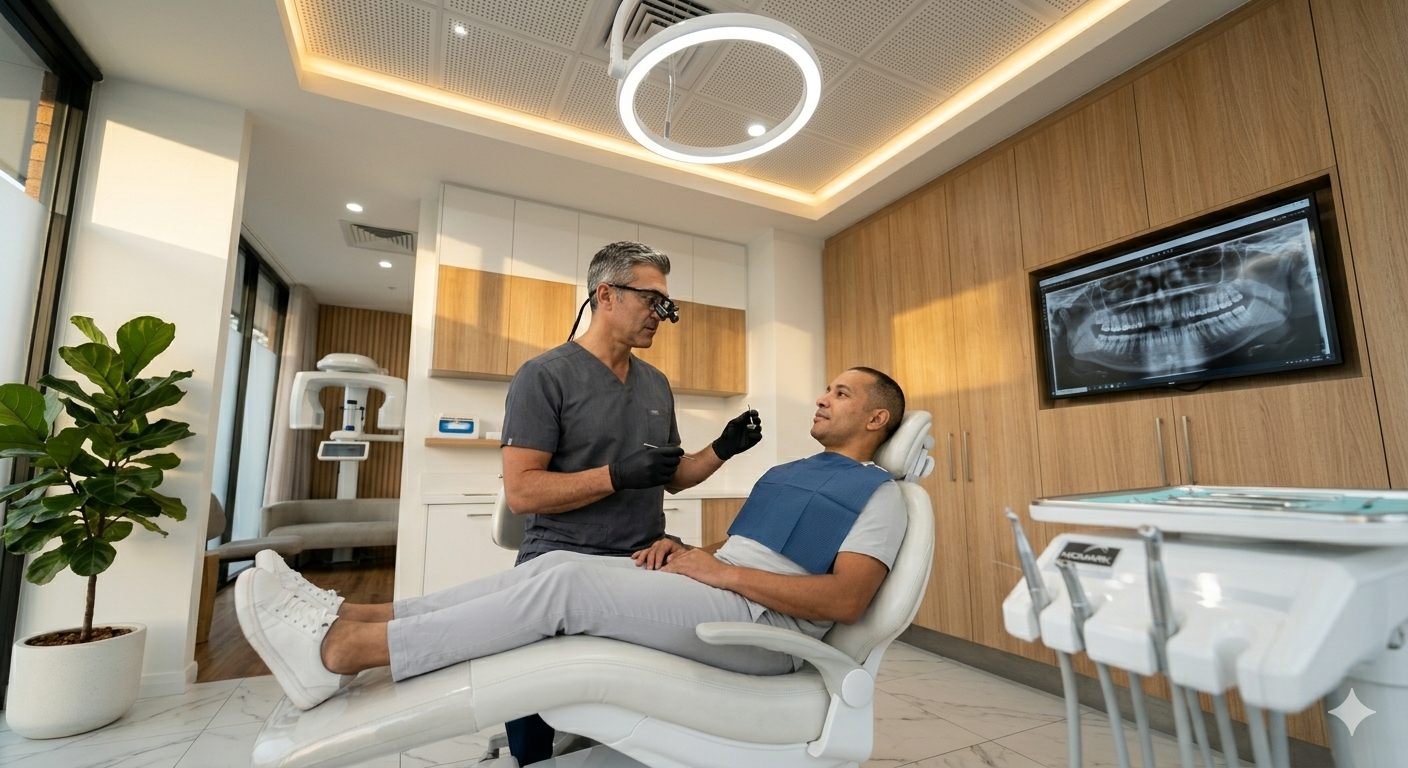
Invisalign treatment in Vestal, NY, offers a modern and discreet way to straighten teeth without the hassle of traditional braces. It uses clear, removable aligners designed to fit comfortably and gently shift teeth into place over time. For many patients, Invisalign provides an effective solution that blends seamlessly into daily life, making the journey to […]
Invisalign treatment in Vestal, NY, offers a modern and discreet way to straighten teeth without the hassle of traditional braces. It uses clear, removable aligners designed to fit comfortably and gently shift teeth into place over time. For many patients, Invisalign provides an effective solution that blends seamlessly into daily life, making the journey to a healthier smile simpler and less noticeable.
People often worry about discomfort or visibility with orthodontic options, but Invisalign is made to address those concerns. These aligners can be taken out for eating and cleaning, which helps maintain oral hygiene and adds a level of freedom not always possible with brackets and wires. Local dental offices in Vestal tailor treatment plans to individual needs, ensuring both comfort and results.
Choosing Invisalign means working with professionals who prioritize patient comfort and clear communication. If someone is curious about how this treatment might work for them, consulting with a Vestal dentist can clarify the process and answer any questions, helping patients feel confident about their next step toward a straighter smile.
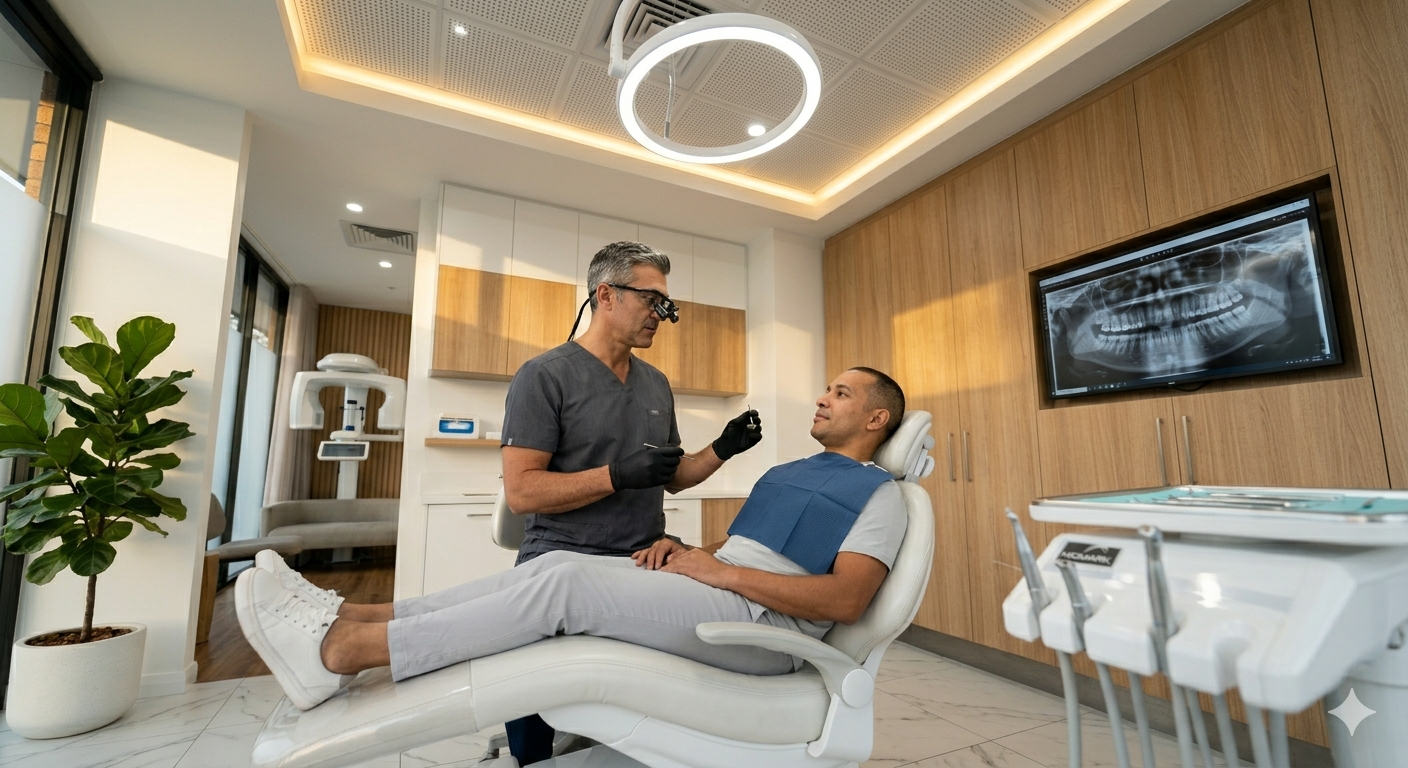
Invisalign uses a thoughtful approach to gently shift teeth into place with clear, removable aligners. It combines modern materials and precise planning to create a customizable treatment that fits daily life with less discomfort.
Invisalign’s clear aligners stand out because they are nearly invisible and removable. Unlike metal braces, these aligners don’t have brackets or wires, which means fewer irritations inside the mouth and easier cleaning.
Patients swap out aligners every 1-2 weeks, each set designed to move teeth incrementally. This gradual movement is gentler on teeth and gums. The aligners fit snugly and are custom-made using 3D scans, ensuring a precise fit tailored to each patient’s unique smile.
The convenience of taking aligners out for eating or important occasions makes Invisalign appealing for busy lifestyles. Many find the treatment less disruptive to speech and daily routines, which encourages better compliance and overall satisfaction.
Invisalign aligners work by applying consistent, gentle pressure to specific teeth. This pressure causes the bone supporting each tooth to remodel, allowing teeth to move safely into their new positions over time.
The aligners are made from SmartTrack® material, a flexible yet durable plastic designed to deliver controlled forces. This material adapts comfortably to the contours of teeth while maintaining enough strength to direct tooth movement effectively.
Using advanced computer technology, Invisalign treatment is planned digitally. This allows dentists to map out every stage of tooth adjustment before treatment begins and to predict the final result with accuracy. This digital process helps reduce surprises and improves treatment efficiency.
Invisalign treatment generally lasts between 12 to 18 months but can vary based on individual needs. Patients wear each set of aligners for about 20 to 22 hours daily, removing them only for meals and oral hygiene.
Regular check-ups every 6 to 8 weeks allow the dentist to monitor progress and make any necessary adjustments. Most people see noticeable improvements within the first few months, encouraging continued commitment.
After finishing the aligner series, patients often use retainers to maintain their new smile. These retainers help prevent teeth from shifting back, protecting the investment made during treatment.
Invisalign offers practical advantages that suit busy lifestyles and modern preferences. It improves smiles discreetly while fitting comfortably into daily routines, making it a popular choice in Vestal.
Invisalign aligners are made from smooth, BPA-free plastic, reducing irritation often caused by metal braces. Patients in Vestal appreciate how the custom-fit trays sit gently over teeth without sharp edges.
These aligners are removable, allowing easy cleaning and maintenance of oral hygiene. This flexibility also means no dietary restrictions—residents can eat their favorite foods without worry. Regular check-ups are typically quick, with fewer emergency visits due to broken wires or brackets.
Clear aligners are virtually invisible, a crucial factor for adults and teens in Vestal who want to straighten teeth discreetly. Unlike traditional braces, Invisalign lets wearers smile confidently without noticeable hardware.
The transparent material blends with natural teeth color, avoiding the metal look. This subtlety supports patients in professional or social settings who prefer to avoid drawing attention to orthodontic treatment.
Invisalign fits easily into busy schedules, requiring just 20 to 22 hours of daily wear. Vestal residents find it less disruptive to work, school, or social activities compared to fixed braces.
Since the trays can be removed for brushing and flossing, maintaining a clean mouth remains simple. This reduces the risk of cavities or gum issues during treatment. Wearing Invisalign also encourages consistent oral care habits, supporting long-term dental health.
Determining if Invisalign is the right choice involves careful evaluation of dental health, treatment goals, and lifestyle needs. This process ensures patients receive personalized care suited to their specific situation.
Invisalign works best for teens and adults with mild to moderate orthodontic issues. Candidates typically have healthy gums and teeth free of severe decay or periodontal disease. Good oral hygiene habits are important, as aligners must be worn consistently—about 20-22 hours a day—to be effective.
People with more complex problems like severe bite misalignments or jaw dysfunction may need traditional braces or additional treatments. However, many common alignment concerns, such as crowding, spacing, overbites, and underbites, are often treatable with Invisalign.
The first step starts with a detailed consultation where the dentist reviews medical and dental history. Using digital scans or impressions, they create a 3D model of the teeth. This model helps design a step-by-step treatment plan tailored to the patient’s needs.
During this visit, the provider explains how aligners work, what to expect during treatment, and addresses any concerns. This meeting also includes a review of costs, estimated treatment length, and the patient’s commitment to wearing the aligners as instructed.
Invisalign effectively treats a variety of alignment concerns, including:
Additionally, Invisalign can correct mild rotations and improve overall bite function. More severe issues may require combined treatments for optimal results.
Invisalign treatment in Vestal, NY begins with precise preparation and a clear path tailored to each patient’s needs. The process depends on detailed imaging and an individualized plan that maps out every step of the alignment journey.
Instead of traditional molds, the dentist uses digital scans to capture a highly accurate 3D image of the teeth. This method is faster, more comfortable, and eliminates the gag reflex often caused by physical impressions.
The scan creates a virtual model that guides the entire Invisalign treatment. This detailed image helps identify bite issues, spacing, and alignment challenges that must be addressed. It also enables the creation of a sequence of custom aligners designed to move teeth gradually and safely.
Using the 3D scan, the dental team develops a precise treatment plan that shows how teeth will shift over time. Patients can see a simulation of their progress before even starting the treatment, which helps set realistic expectations.
The plan includes the number of aligners, estimated duration, and specific movements for each tooth. Adjustments can be made based on patient comfort and desired outcomes, ensuring the treatment fits individual lifestyles and goals. This customization aims to maximize effectiveness while minimizing discomfort.
Proper care of Invisalign aligners protects them from damage and keeps them clear. Patients should adopt cleaning habits that prevent buildup and maintain fresh breath. Alongside cleaning, good oral hygiene is essential for comfort and treatment success.
Aligners need daily cleaning to avoid stains and odors. Rinsing them with lukewarm water immediately after removal stops saliva and plaque from drying on the plastic.
Using a soft-bristled toothbrush with clear, antibacterial soap is effective for gentle cleaning. Avoid toothpaste, as its abrasiveness can scratch the aligners, making them more visible.
Soaking aligners weekly in a specialized Invisalign cleaning solution or a mixture of equal parts white vinegar and water helps break down residue. After soaking, rinse them thoroughly under cool water to remove any solution taste.
Storing aligners in their protective case when out of the mouth prevents loss and exposure to dirt.
Before putting aligners back in, thoroughly brushing and flossing teeth removes trapped food particles. This practice helps prevent cavities and gum irritation caused by bacteria buildup.
Regular brushing keeps enamel strong and gums healthy, reducing risks of bad breath associated with retainers worn throughout the day. Flossing daily clears plaque from tight spaces aligners might miss.
Drinking water often during the day washes away sugars and acids that could otherwise lodge between teeth and aligners.
Regular dental checkups allow monitoring of both oral health and treatment progress, ensuring aligners fit well without causing discomfort or damage.
Invisalign treatment in Vestal, NY involves a structured process that ensures steady progress toward a straighter smile. Patients can expect regular visits to monitor their progress and guidance on managing any minor discomfort.
During Invisalign treatment, patients typically visit their dental provider every 6 to 8 weeks. These appointments allow the dentist to track tooth movement, address any concerns, and provide the next sets of aligners.
Each new aligner gradually shifts teeth into position over about two weeks. The dental professional will check that this movement is proceeding as planned and may make minor adjustments if needed.
Routine check-ins also provide a chance to review oral hygiene and ensure no irritation or issues arise from the aligners. Clear communication with the provider helps keep the treatment on track and comfortable.
Mild soreness or pressure is common during the first few days after switching to a new Invisalign tray. This discomfort signals that teeth are moving, but it usually fades quickly.
Patients can ease this by using over-the-counter pain relievers like ibuprofen or by rinsing with warm salt water. Avoiding very hard or sticky foods can also reduce irritation.
If discomfort persists beyond a few days or causes significant pain, contacting the dental provider is important. Sometimes small aligner adjustments or smoothing sharp edges help improve comfort.
Maintaining your new smile takes a bit of effort and commitment, but the benefits are clear. Consistent use of retainers and smart daily habits can keep teeth aligned for years. Small lifestyle adjustments go a long way in protecting the results of Invisalign treatment.
After Invisalign, wearing a retainer is essential to hold teeth in their new positions. The dentist will typically provide a custom retainer, which patients may need to wear full-time at first, then gradually shift to nightly wear. Without this, teeth can shift back and undo the progress made during treatment.
There are two main types of retainers: removable clear ones similar to Invisalign trays, and fixed wire retainers bonded behind the teeth. Each has its pros and cons. Clear retainers are easy to clean and less noticeable, but require discipline to wear consistently. Fixed retainers stay in place but need careful oral hygiene to prevent plaque buildup.
Patients should attend regular dental check-ups to monitor retainer fit and tooth alignment. Following these steps helps ensure the investment in Invisalign achieves lasting results.
Good daily habits are key. Brushing and flossing regularly, especially around any fixed retainers, prevents decay and gum issues that can affect alignment. It’s also wise to avoid hard or sticky foods that can damage retainers or put pressure on teeth.
Using a mouthguard during sports or night grinding protects teeth and orthodontic work from damage. Drinking plenty of water helps maintain saliva flow, which naturally cleans the mouth and strengthens enamel.
Finally, patients should communicate any changes or discomfort with their dental provider promptly. Small adjustments early on can prevent bigger problems later, preserving that confident, straight smile for years to come.
Finding the best Invisalign provider means looking beyond just costs or location. Key factors like professional experience and how well a practice supports its patients play a big role in treatment success and satisfaction.
A provider’s experience with Invisalign directly impacts the quality of treatment. Dentists or orthodontists in Vestal who have completed extensive Invisalign training tend to handle more complex cases confidently. Look for specialists who have treated a variety of smiles, from minor adjustments to challenging bite issues.
In addition, providers who stay updated on the latest Invisalign technology and treatment techniques can offer more precise aligner fits and better overall results. It’s useful to ask about how many Invisalign cases they’ve completed and if they use digital scanning tools, which improve comfort and speed up the process.
Good Invisalign care goes beyond clinical skills. Providers who communicate clearly, answer questions patiently, and check in regularly help patients feel comfortable throughout their journey. A welcoming office environment and friendly staff also make the process smoother.
Review websites and local word-of-mouth can reveal much about a practice’s reputation. Positive feedback often highlights responsiveness, convenience, and consistent results. Choosing a provider recommended by neighbors or family in Vestal adds reassurance and helps build trust from day one.
Invisalign treatment costs vary based on individual needs and treatment complexity. Different ways exist to manage expenses, including insurance and payment plans, making treatment accessible.
Invisalign treatment in Vestal, NY typically ranges from $3,500 to $7,000. This depends on how much correction is needed and the length of the treatment. Initial consultation fees may apply, but some providers include this in the total cost.
Costs cover aligner fabrication, office visits, and follow-up care. Unlike traditional braces, Invisalign often requires fewer visits, which can influence overall expenses. Some cases may require additional retainers or refinements, which could add to the price.
It’s important to ask about all potential fees upfront. Clear communication helps avoid surprises and ensures patients know what to expect financially throughout their treatment.
Many dental offices in Vestal offer flexible payment plans to spread out the cost over time. These plans might include low or no interest options, making monthly payments manageable and less stressful.
Dental insurance sometimes covers Invisalign, but coverage varies widely. Some plans treat Invisalign like braces, offering partial reimbursement, while others exclude it entirely. Patients should check their specific insurance benefits before starting.
For those without insurance, financing companies like CareCredit provide health-related loans designed for dental treatments. This makes Invisalign affordable without upfront payments, easing financial concerns.
Patients are encouraged to discuss all financing and insurance options with their dental provider to find the best fit for their budget and treatment goals.
Beginning Invisalign treatment in Vestal, NY, is a straightforward process designed with patient comfort in mind. He or she will start with a consultation where the dental expert evaluates the teeth and discusses the goals.
During this visit, a digital scan or impression is taken to create a precise 3D model. This model helps design custom aligners that fit snugly and comfortably.
What to expect next:
Patients appreciate how Invisalign trays are removable. This means eating, brushing, and flossing stay easy without disrupting daily life.
For those worried about discomfort, slight pressure is normal but usually mild and short-lived. The expert will provide tips to manage any sensitivity.
Taking the first step means reaching out to discuss questions or schedule a consultation. Each journey is unique, and professionals in Vestal are ready to guide patients at a comfortable pace.
Many patients wonder about who is right for clear aligners, the treatment timeline, and how to maintain comfort and hygiene. They also want to know how often visits are needed and if aligners can address jaw pain or TMJ issues.
Clear aligners work well for mild to moderate crowding, spacing, and bite issues. Severe cases or complex bite problems may require traditional braces for better control.
A dental professional can evaluate your specific needs to recommend the best option for effective treatment.
For typical cases of crowding or spacing, treatment often lasts between 6 to 18 months. The exact duration depends on the severity and how closely the patient follows wearing schedules.
Consistent wear of 20-22 hours a day is crucial to stay on track.
Check-ins generally occur every 4 to 6 weeks. During these visits, the dentist reviews progress, fits new aligners, and addresses any concerns.
These appointments help ensure the treatment continues smoothly.
At first, there might be a slight lisp or minor discomfort as the mouth adjusts. Speech usually returns to normal within a few days.
Aligners are removed for eating, so they don’t impact meal choices, though avoiding sticky or hard foods protects your teeth when aligners are out.
Rinsing aligners with lukewarm water and brushing them gently daily helps prevent buildup. Avoid hot water to prevent warping.
Maintaining regular oral hygiene—brushing after meals and flossing—is essential to avoid decay or gum irritation.
Clear aligners can sometimes improve jaw alignment if bite issues contribute to TMJ pain. However, persistent jaw pain warrants an evaluation before starting any orthodontic treatment.
Early assessment by a dental professional can guide the right approach.
